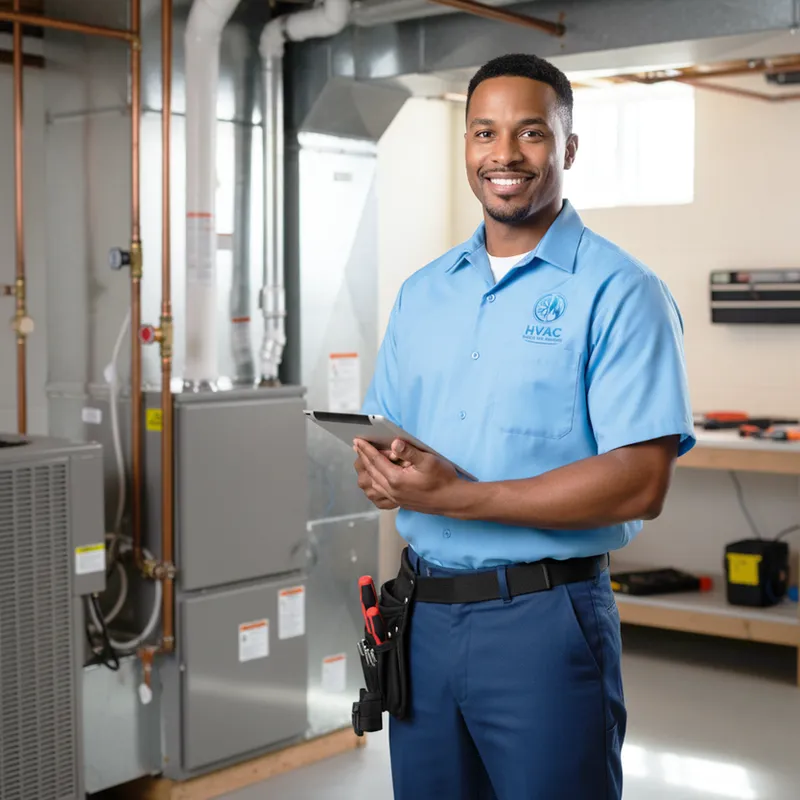
The U.S. Environmental Protection Agency consistently ranks indoor air pollution among the top five environmental risks to public health. The average American spends approximately 90% of their time indoors, breathing air that studies have found to be 2-5 times more polluted with certain contaminants than typical outdoor air. The health impacts of poor indoor air quality range from immediate effects like irritated eyes, headaches, and fatigue, to long-term consequences including respiratory disease, cardiovascular effects, and in extreme cases, cancer. The good news: most indoor air quality problems are addressable with practical solutions available to homeowners.
Common Indoor Air Pollutants
Particulate matter: Dust, pollen, pet dander, mold spores, and fine combustion particles. These are the pollutants most effectively addressed by HVAC filtration. PM2.5 (particles smaller than 2.5 microns) is the most dangerous category — these particles penetrate deep into the lungs and can enter the bloodstream. Sources include cooking, candles, incense, outdoor smoke infiltration, and tracked-in dust.
Volatile Organic Compounds (VOCs): A broad category of chemical compounds that evaporate at room temperature and are released from paints, adhesives, cleaning products, furniture, and building materials. Common VOCs include formaldehyde (off-gassed by pressed wood products and some fabrics) and benzene. The primary strategy for VOC control is source reduction and ventilation.
Biological contaminants: Mold, bacteria, viruses, dust mites, and cockroach allergens. Moisture control — maintaining indoor relative humidity between 30-50% — is the primary defense against mold and dust mites. UV air purification systems destroy airborne biological contaminants effectively.
Carbon monoxide and radon: These deadly gases require specific detection equipment (CO alarms, radon test kits) and mitigation strategies distinct from general air quality measures.
HVAC-Based Air Quality Solutions
Your home's HVAC system is the central tool for improving indoor air quality, because it circulates and processes the air in your home continuously. Optimizing HVAC-based filtration and purification provides whole-home benefits with automatic operation.
Filtration upgrades: The first step is ensuring your HVAC filter is capturing meaningful particle sizes. Upgrading from a fiberglass filter to a pleated MERV 8-11 filter dramatically increases particle capture. For homes with allergy sufferers or during wildfire smoke events, MERV 13 filters provide near-HEPA performance (verify your system can handle the increased static pressure first). Media filters (4-5 inch depth) provide high filtration at moderate airflow restriction.
UV light systems: Ultraviolet germicidal irradiation (UVGI) systems installed in your air handler or ducts emit UV-C light that destroys the DNA of microorganisms — viruses, bacteria, mold, and other biological contaminants — as they pass through. These systems are highly effective against biological pollutants and are especially valuable in humid climates prone to mold growth on evaporator coils.
Electronic air cleaners: Whole-home electrostatic precipitators and polarized media systems offer high-efficiency filtration at lower airflow restriction than comparable MERV-rated filters. They require periodic cleaning of collection plates to maintain effectiveness.
Humidity control: Maintaining indoor relative humidity between 30-50% is one of the most impactful air quality interventions available. Low humidity (below 30%) dries mucous membranes, reducing their effectiveness as a barrier to pathogens. High humidity (above 50%) creates conditions favorable to mold growth and dust mite proliferation. Whole-home humidifiers (for winter dryness) and dehumidifiers (for summer moisture) work within your HVAC system to maintain optimal humidity year-round.
Source Control: The Foundation of Good Air Quality
No filtration system can fully compensate for overwhelming pollution sources. Source control — reducing the introduction of pollutants at their origin — is the most effective air quality strategy. This includes: choosing low-VOC paints, adhesives, and cleaning products; allowing new furniture and building materials to off-gas in ventilated spaces before bringing indoors; storing chemicals in sealed containers or garages; never idling vehicles in attached garages; keeping pets groomed to reduce dander; and using range hood ventilation when cooking.
Ventilation: The Most Overlooked Factor
Modern homes, built for energy efficiency, can be so tightly sealed that indoor air pollutant concentrations build up dramatically without adequate fresh air exchange. The ASHRAE standard for residential ventilation is 0.35 air changes per hour or 15 CFM per occupant, whichever is greater. Heat Recovery Ventilators (HRVs) and Energy Recovery Ventilators (ERVs) bring in fresh outdoor air while recovering 70-80% of the energy in the outgoing air — the most efficient solution for controlled fresh air exchange in sealed homes.
For a comprehensive indoor air quality assessment and installation of HVAC-based air quality solutions, contact HVAC Near Me Repair at (888) 392-7512 or visit our air quality services page.
Need Expert HVAC Help?
Our NATE-certified technicians are available 24/7 for repair, installation, and maintenance across the United States.
Call (888) 392-7512 Schedule Service