 " />
" />Your HVAC system is the hardest-working mechanical system in your home — and one of the most neglected. Studies show that the majority of HVAC failures are directly attributable to a lack of basic maintenance. The good news: most maintenance tasks are simple, inexpensive, and well within the ability of any homeowner. Following these 10 tips can extend your system's life by 5-10 years, reduce energy bills by up to 25%, and drastically reduce the chance of an unexpected breakdown.
1. Change Your Air Filter Regularly
This is the single most impactful maintenance task. A clogged filter restricts airflow, forcing your system to work harder, consuming more energy, and causing overheating. Most 1-inch filters should be changed every 30-60 days. Thicker 4-5 inch media filters can last 6-12 months. Check your filter monthly and change it when it appears gray or visibly dirty.
2. Keep the Outdoor Unit Clear
Your air conditioner's outdoor condenser unit needs at least 2 feet of clearance on all sides for proper airflow. Trim back any shrubs, vines, or tall grass. After storms, check for debris (leaves, twigs, pollen) that may have accumulated on or inside the unit. Never stack firewood, equipment, or other materials against the unit.
3. Clean the Condenser Coils Annually
The aluminum fins on your outdoor unit collect dirt, grass clippings, pollen, and cottonwood fluff over time. This insulating layer reduces the system's ability to shed heat and can dramatically reduce efficiency. A gentle rinse with a garden hose (spraying from the inside out) removes most debris. For heavy buildup, a professional cleaning with coil cleaner is recommended.
4. Inspect and Clean Indoor Vents
Walk through your home and check every supply and return vent. Remove vent covers and vacuum out accumulated dust. Make sure furniture, rugs, or curtains aren't blocking any vents — even partially blocked return air vents can significantly reduce system efficiency and cause comfort issues.
5. Check the Condensate Drain Line
Your air conditioner removes humidity from the air, and that water drains through a condensate line. This line can become clogged with algae, mold, or debris, causing water damage and system shutdowns. Locate your drain line (a PVC pipe near your indoor unit) and pour a cup of distilled vinegar down it every 6 months to prevent clogs.
6. Inspect Refrigerant Lines for Insulation Damage
The copper refrigerant lines running between your indoor and outdoor units should be wrapped in foam insulation. Over time, this insulation deteriorates, reducing efficiency. Visually inspect the lines and replace any damaged insulation with pre-slit foam pipe insulation, available at any hardware store.
7. Test Your Thermostat Accuracy
If your home never quite reaches the set temperature, or if your system runs longer than expected, your thermostat may be inaccurate. A simple test: place an accurate thermometer near the thermostat and compare readings. A discrepancy of more than 2 degrees warrants thermostat calibration or replacement. This is a great time to consider upgrading to a smart thermostat.
8. Schedule Professional Maintenance Twice a Year
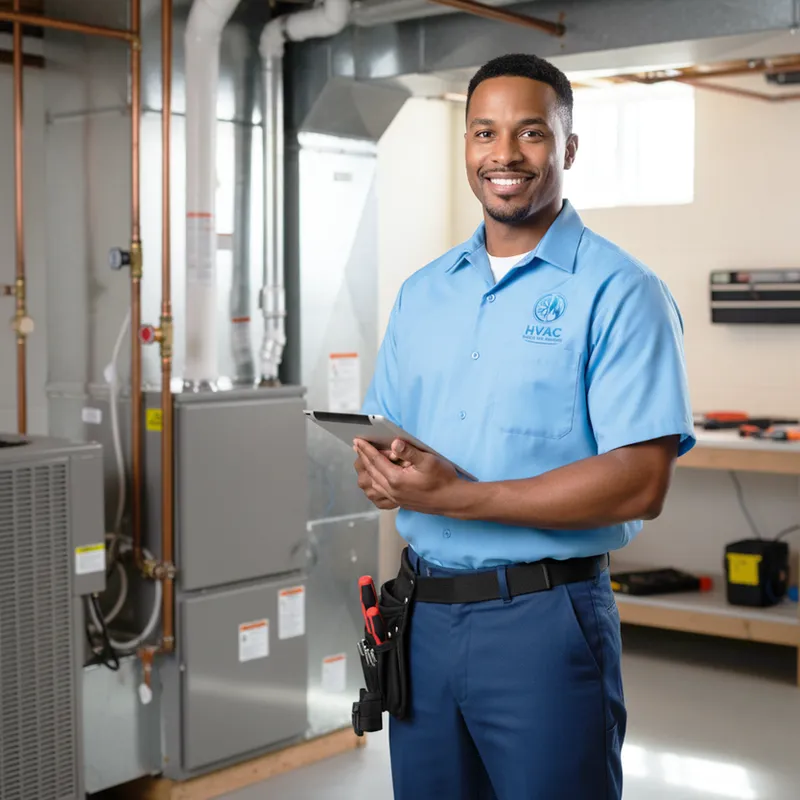
While DIY tasks are valuable, professional maintenance catches problems that homeowners can't see — low refrigerant, weak capacitors, developing electrical issues, and efficiency losses in the heat exchanger. Schedule AC maintenance in spring and heating maintenance in fall. A typical tune-up costs $80-150 and pays for itself many times over in prevented repairs.
9. Listen for Unusual Noises
Your HVAC system should run relatively quietly. Unusual sounds are your system's way of asking for help: grinding or screeching suggests bearing or belt failure; banging may indicate a loose component; rattling can mean debris in the system or loose panels; hissing points to refrigerant leaks or duct leaks. Don't ignore unusual sounds — early diagnosis prevents expensive repairs.
10. Keep Records of All Service and Repairs
Maintaining a service log for your HVAC system helps technicians diagnose recurring issues, helps you track warranty coverage, and adds value when selling your home. Note the date, what was done, and what parts were replaced for every service visit.
Pro Tip: The best time to schedule professional HVAC maintenance is in early spring for your AC and early fall for your heating system — before peak season demand makes scheduling difficult and before any problems are revealed by extreme weather.
Need Expert HVAC Service?
Our NATE-certified technicians are available 24/7 for repairs, maintenance, and installation across the country.
Call (888) 392-7512 Now